
Pioneers in In Vitro Cultivation of Cannabis Plants in Europe
To produce our clean-stock cannabis plants, we use tissue culture, meristem culture, and organogenesis.
To understand the significance of these specific processes in modern agricultural and horticultural practices, we must first understand how and why these technologies were developed.
Advances in plant tissue culture media and discoveries regarding how various growth regulators influence plant cell growth and development.
These discoveries led to an understanding of how the balance between auxin and cytokinin influences the morphological structure of plants.
With the ability to direct the growth and development of a single vegetative plant cell into a fully developed multicellular plant with leaves, shoots, and roots, scientists were able to begin cultivating plants on a small scale under sterile conditions.
The cut-flower industry demonstrated the importance of plant tissue culture in the 1960s when it developed protocols for inducing meristem shoot tips in tissue to produce disease-free orchids, a discovery that scientists embraced as a solution for many other crops.
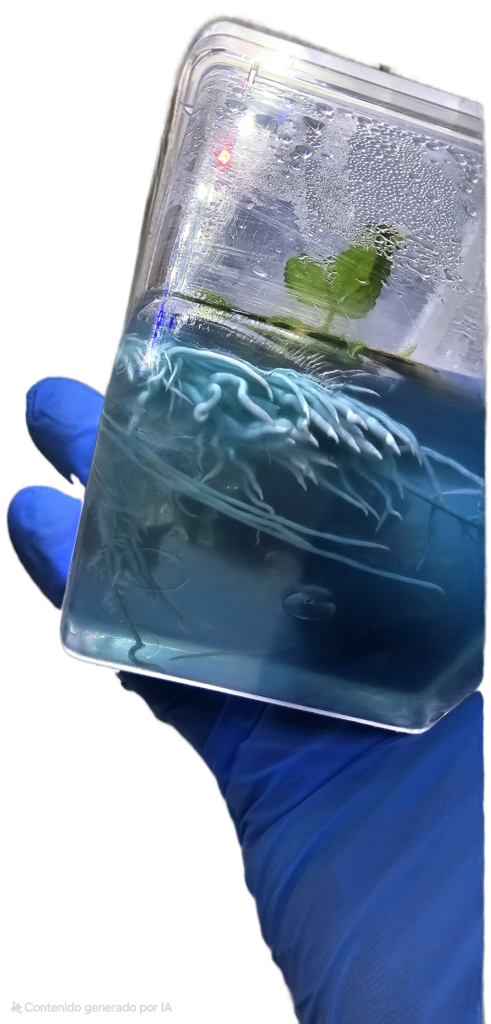
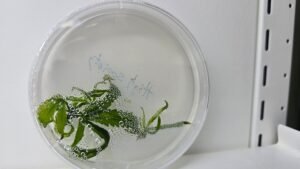
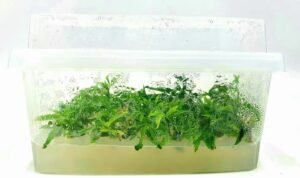

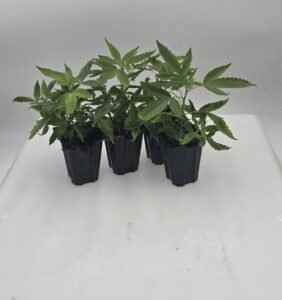

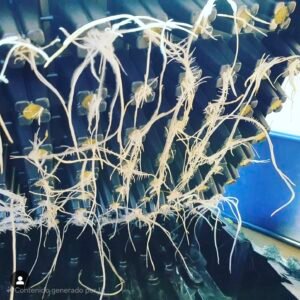
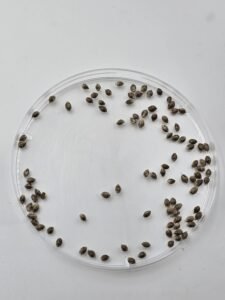
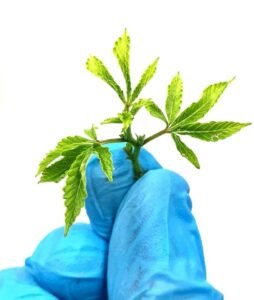
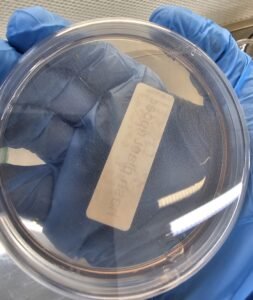
Today, plant tissue culture is used to produce a wide variety of crops on a large scale, including potatoes, bananas, eggplants, pineapples, strawberries, blueberries, and raspberries. Customized agar growth medium formulas and protocols must be tailored not only to cannabis in general, but to each specific cultivar within the cannabis genome.
When developing plant tissue culture protocols for a species, researchers must create growth formulas and handling techniques for each specific cultivar, as they all have distinct in vitro growth requirements. This presents a time-consuming challenge for cannabis plant tissue culture due to the inherent genetic diversity in the industry.
As a result, extensive research is required to successfully operate a cannabis plant tissue culture facility with the necessary capabilities and expertise to adapt operating procedures to each new cultivar needed for mass production.
The vast genetic variation present in the cannabis genome poses another challenge for plant tissue culture providers: somaclonal variation. Somaclonal variation is a genetic variation observed within the progeny created from somatic cells regenerated in vitro. In the case of cannabis, the high average level of somaclonal variation can be attributed to the large genome and the genetic instability present in this industry.
It has been observed that some cultivars are more prone to somaclonal variation than others, which creates challenges when adapting plant tissue culture protocols for specific cultivars. All suppliers of cannabis-related plant tissue cultures face these challenges; it will take years of further research and development to fully overcome these difficulties.
As a recognized leader in the cannabis cell culture industry, we have studied these issues and developed unique, proprietary protocols.
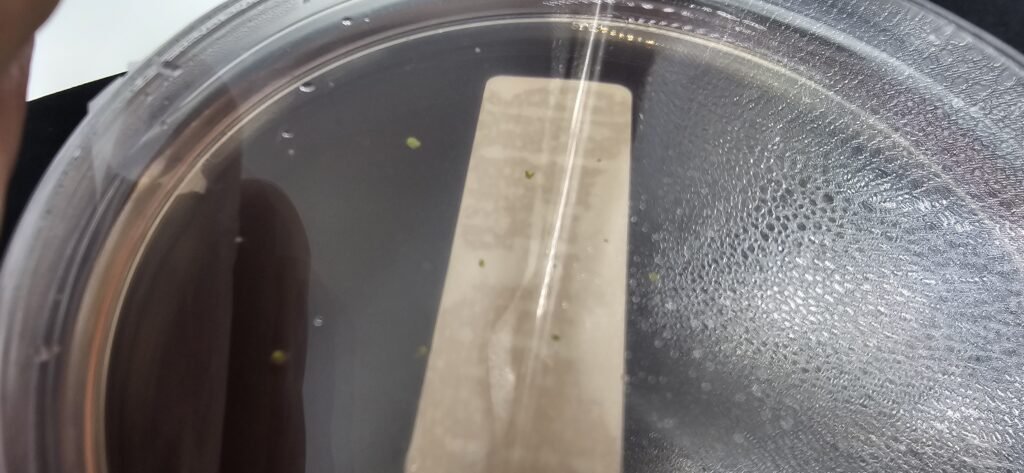
By taking just a small sample from a genetically desirable plant (the mother plant), tissue culture techniques restore genetic vigor while sterilizing the plant tissue to ensure that it is completely free of pests and pathogens.
Here’s how we care for your plant so it can reach its full genetic potential: When using tissue culture propagation, also known as tissue culture cloning, the plant material first undergoes a thorough sterilization and pathogen screening process.
The clean plant tissue is then kept in a completely sealed and sterile environment throughout its growth.
The plant tissue remains in these ideal growing conditions until the sample has grown enough to be cloned.
This process is repeated cycle after cycle, producing a multitude of plants in a much smaller space and consuming fewer resources than a traditional cannabis nursery. Through this process, valuable genetics can be stored, or the cultivated tissue can be used to produce countless clones that are cleaner and more true to type
Cannabis Tissue Culture: Traditional Clones vs. Zero-Generation Clones Cloning by taking vegetative cuttings from a mother plant is a tried-and-true traditional technique in cannabis and many other agricultural sectors.
Cloning via cannabis tissue culture enhances this ad hoc genetic conservation with the most advanced and effective horticultural techniques.
Cannabis tissue culture can be used to produce “zero-generation” (or gen-zero) clones.
Unlike “first-generation” clones propagated from tissue-cultured mother plants or traditional cuttings, gen-zero clones are the only plants you can be certain will be true to type and completely free of pests and pathogens.
Gen Zero clones harness all the benefits of tissue culture (restored genetic vigor and sterilization) in every single plant, providing you with consistent results in every single grow cycle.
While traditional cloning has preserved and continues to preserve the cannabis industry’s preferred genetics, tissue culture technologies offer new and distinctive advantages for the future of cannabis breeding and cultivation: clones that are free of pests and pathogens.
The tissue culture process not only provides gen-zero clones that are completely free of pests, but also allows for the identification and elimination of endogenous and/or contaminating pathogens, such as the latent hop viroid, within the plant tissue.
Once cleaned and sterilized, tissue culture clones are grown in a completely sealed, sterile environment where they are provided with an optimal combination of nutrients, hormones, carbohydrates, and moisture in the plant growth medium and rooting substrate to support their development until they are ready to be shipped to customers.
Vigorous Genetics True to Type Introducing a plant into a tissue culture allows its genetics to be restored to a juvenile state, resulting in plants that are true to type and unaffected by the generational changes that can occur with traditional cloning, such as loss of vigor and reduced yields.
Greater apical dominance, uniform spacing between internodes, and symmetrical lateral branching are all benefits achieved when youthful vigor is restored through tissue culture.