Autoclaves for Medical Cannabis: The Key to In Vitro Cultivation
Introduction to the Cannabis Industry
The cannabis industry has experienced significant growth in recent years, driven largely by the legalization of medical and recreational use in various regions around the world. This legislative change has allowed research on cannabis and its medical efficacy to advance by leaps and bounds, leading to a greater understanding of its components and applications. In this context, cannabis, or marijuana, has begun to be recognized as a viable option for treating various health conditions, which has increased interest in its cultivation and use.
The industry’s boom has also led to a growing focus on the professionalization and standardization of processes related to cultivation, research, and the development of cannabis-derived products. In order to meet market demand and ensure product quality, the implementation of strict protocols across all aspects of production is becoming increasingly important. In particular, in vitro cultivation techniques, such as tissue culture, have begun to be adopted in this sector, facilitating the propagation of pathogen-free cannabis plants and improving growth success rates.
This growth brings with it the need to adopt appropriate technologies, such as autoclaves, which ensure the sterilization of tools and growing media—essential for maintaining crop health and minimizing the risk of contamination. The integration of these devices not only improves the quality of the cannabis produced but also supports compliance with stricter regulations in the sector. Therefore, the legislative framework, together with advances in research and technology, is redefining the landscape of the cannabis industry, paving the way for a more professional and regulated future.
The Role of the Cannabis Autoclave in Sterilization
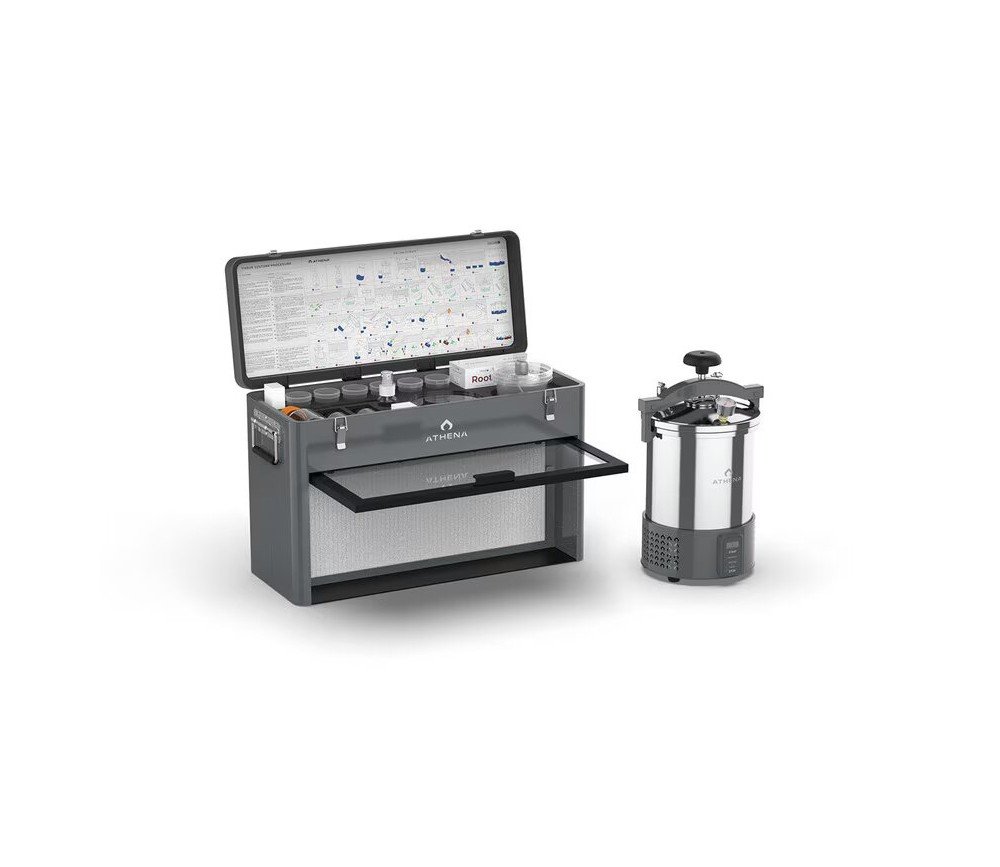
The autoclave is an essential piece of equipment in the cannabis industry, particularly in in vitro cultivation processes and the handling of marijuana. Its primary function is to sterilize equipment and materials by applying steam at high temperatures and pressures. This process is crucial for eliminating microorganisms that could compromise the integrity and quality of cannabis crops.
An autoclave works by creating a controlled environment in which steam, when heated to temperatures above 120 degrees Celsius, is used to break down and eliminate bacteria, fungi, and other potentially harmful pathogens. This sterilization process is vital for ensuring that the material used in in vitro cultivation is free of contaminants, thereby creating a suitable environment for the healthy growth of marijuana plants.
In addition, the autoclave is capable of effectively penetrating the material to be sterilized, making it more effective than other sterilization methods such as boiling or filtration. In the context of cannabis production, any contact with contaminants could result in significant crop losses and, ultimately, affect the quality of the final product. Therefore, the use of autoclaves in the cannabis industry is considered not only a best practice but a critical necessity for ensuring optimal crop health.
In conclusion, the autoclave plays a pivotal role in sterilizing the equipment and materials used in cannabis cultivation. Its ability to eliminate microorganisms and create a contaminant-free environment is essential for the successful production of marijuana using advanced in vitro cultivation techniques.
The Importance of Sterilization in Cannabis Cultivation and Extraction
Sterilization plays a crucial role in the cannabis industry, particularly in cultivation and extraction processes. In laboratories dedicated to the study and processing of cannabis, the implementation of strict sterilization procedures ensures that plant-derived products, such as cannabis oil and other extracts, are of high quality and safe for human consumption.
In vitro culture (culture in artificial media) and reproduction using tissue culture techniques are advanced methods that require a controlled environment. During these processes, microorganisms can pose a significant threat. Contamination by bacteria, fungi, and viruses can compromise plant integrity and negatively affect crop yields. Therefore, sterilization of all instruments and materials—including flasks, tools, and substrates—is essential to prevent this type of contamination.
An autoclave is an indispensable tool in this context. This device enables the effective sterilization of instruments by subjecting them to high temperatures and pressures. In the context of in vitro cultivation, autoclaves not only sterilize culture media but also ensure that all tools used in plant handling are free of pathogens that could harm their development. Laboratories that adopt the use of autoclaves and other sterilization technologies can ensure higher standards of quality and safety in their final cannabis products.
Sterilization protocols in the cannabis industry not only impact domestic cannabis production but also influence consumer perception. Confidence in the purity and quality of medical cannabis depends largely on the sterilization protocols implemented at the source. Therefore, a focus on sterilization in the cannabis industry is essential for long-term success and the safety of the products offered to patients and consumers.

The Impact of Sterilization on the Quality of Cannabis-Derived Products
Sterilization is a critical process in the production of cannabis-derived products, such as medications, oils, and edibles. This procedure ensures that the material used—whether it be tissue cultured in vitro or dried flowers—is free of contaminants that could compromise the quality and safety of the final product. The effectiveness of the sterilization process is achieved through the use of autoclaves, which employ high-pressure steam to eliminate any unwanted microorganisms.
In the context of cannabis cultivation, particularly in in vitro cultivation techniques, sterilization plays an essential role. Tissue culture techniques enable the propagation of healthy, uniform plants, which is crucial for maintaining the genetic integrity of selected marijuana strains. If culture media and instruments are not properly sterilized, there is a high risk of contamination that can lead to plant death or the production of low-quality products. The presence of pathogens can affect not only plant yield but also the concentration of desired compounds such as cannabidiol (CBD).
Furthermore, the quality of cannabis-derived products has a direct impact on consumer perception and their therapeutic efficacy. For example, a CBD oil that has been manufactured under rigorous sterilization standards will not only be safer but may also offer greater medicinal benefits. Consumers seek reliable products that have been produced under controlled conditions, which in turn underscores the importance of a robust sterilization system in the cannabis industry. This includes not only the sterilization of raw materials but also of the equipment and facilities where cannabis is processed.
The implementation of strict sterilization protocols therefore helps create a healthier and more sustainable cannabis production ecosystem in the long term, benefiting both producers and consumers.
Autoclaves for Cannabis Tissue Culture
Autoclaves that meet the most rigorous quality and safety standards, which are essential for handling marijuana and other cannabis-derived products. These machines are not only key to sterilizing tools and materials, but they are also essential in research and development stages involving cultivation under controlled conditions, such as in vitro cultivation. Furthermore, the use of autoclaves for sterilization ensures the elimination of pathogens and contaminants, resulting in healthier and more productive tissues.
Autoclaves are designed to optimize the efficiency of the cultivation process, ensuring that medical cannabis producers can focus on the quality of their final product. The technology used in this equipment allows for precise control of sterilization conditions, thereby reducing the risk of contamination in crops. This is particularly important in tissue culture processes, where the goal is to clone cannabis strains with specific genetic properties.
In conclusion, high-quality autoclaves for the cannabis industry not only serve as a strategic asset for growers but also contribute to the development of a more competitive and regulated sector.
Plant Tissue Culture and the Autoclave
Plant tissue culture, or in vitro culture, is an essential technique in the production of medical cannabis. This method allows for the propagation and preservation of plants by selecting specific cells, tissues, or organs under controlled conditions. For this technique to be successful, it is crucial to ensure that all culture media and equipment used are properly sterilized. This process not only prevents contamination by undesirable microorganisms but also ensures the optimal development of marijuana plants.
The autoclave plays a crucial role in this stage of the process. It is a device that uses high-pressure steam to sterilize tools, containers, and growing media. This method is considered the gold standard in sterilization, as it effectively eliminates bacteria, fungi, and spores. Without using an autoclave, cannabis growers risk compromising the health of their plants, which could result in stunted growth or the total loss of their crops.
In addition to sterilizing equipment, it is important to maintain a clean environment throughout the tissue culture process. This includes constant monitoring of physical hygiene and the proper handling of all materials involved. By incorporating an autoclave into the culture process, it is possible to ensure that in vitro cannabis culture is not only carried out effectively but also safely, thereby facilitating the development of high-quality medicinal strains.
Types of Autoclaves and Their Applications in the Cannabis Industry
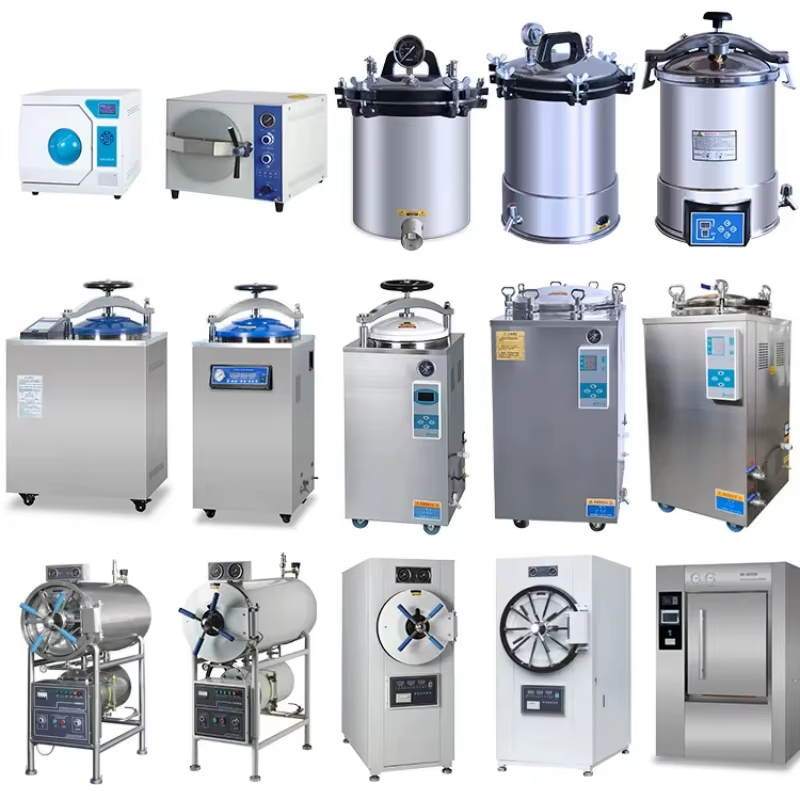
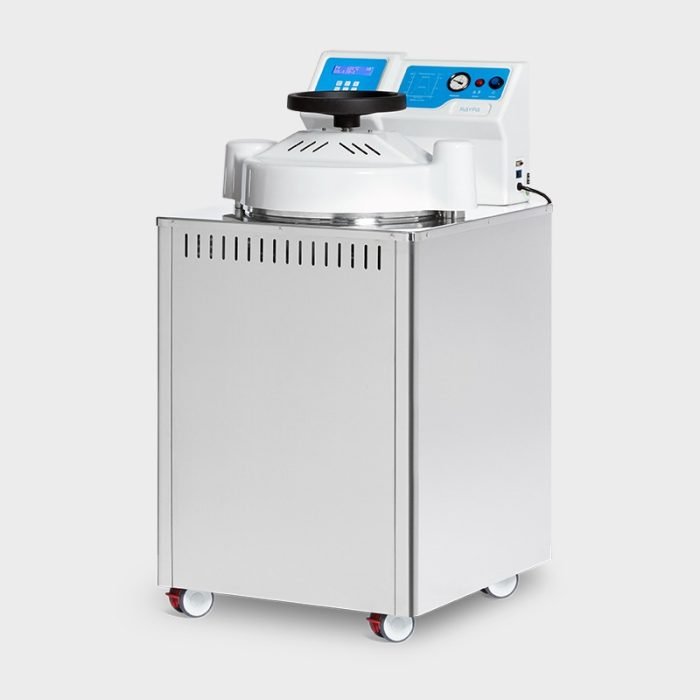
In the cannabis industry, sterilization is a critical process for ensuring the safety and effectiveness of cannabis-derived products. Autoclaves have become an essential tool for this purpose, and there are different types available on the market that cater to various production needs. One of the most common types is the vertical-load autoclave, which is ideal for laboratories with limited space. Its design allows containers to be stacked, maximizing space and optimizing the sterilization capacity for in vitro cultures.
On the other hand, front-loading autoclaves are preferred in larger facilities where production volumes are high. These models typically have a larger capacity and provide easier access to the interior, allowing for faster loading and unloading of materials and equipment. In the context of cannabis cultivation, where handling of growing media and other equipment is frequent, efficient sterilization is essential.
Another option is laboratory autoclaves, which are often compact and portable, making them ideal for research and development projects in the field of medical marijuana. This equipment allows for the sterilization of small volumes of growing media, tools, and other components used in the micropropagation of cannabis through in vitro cultivation. Selecting the appropriate type of autoclave will depend on factors such as production volume, available space, and the specific nature of the required sterilization process.
In short, understanding the differences between the various types of autoclaves available is essential for optimizing the sterilization process in the cannabis industry. Making the right choice not only improves product safety but also enhances the efficiency of medical marijuana cultivation and production.
Sterilization Process: Temperatures and Protocols
Sterilization is a critical process in the medical cannabis industry, particularly in in vitro cultivation and tissue propagation using tissue culture techniques. The primary goal is to eliminate all microorganisms that could compromise the quality and safety of the final product. To carry out this process effectively, it is essential to follow specific protocols that include recommended temperatures and times.
Autoclaves are generally the standard equipment used for sterilization. These devices use high-pressure steam to reach temperatures ranging from 121 to 135 degrees Celsius. The selected temperature may vary depending on the material to be sterilized and the expected microbial load. Generally, an exposure time of at least 15 to 30 minutes at 121 degrees Celsius is recommended to ensure the elimination of spores and other resistant microorganisms.
In addition to time and temperature, it is important to consider the type of material. For example, culture media used in in vitro cultivation require a careful sterilization protocol. This means that attention must be paid to their composition and container size, as these factors can influence the effectiveness of sterilization. For larger or denser items, it may be necessary to increase the exposure time to ensure that heat penetrates evenly throughout the load.
In situations involving the handling of marijuana crops or derived products, it is crucial to follow sterilization guidelines in accordance with current regulations. This not only ensures the quality of the cannabis but is also essential for maintaining the integrity of the in vitro cultivation process. Strict adherence to these protocols is key to ensuring a safe, contaminant-free environment in the cannabis industry.
Conclusions: The Importance of Effective Sterilization
Sterilization is a critical aspect of medical cannabis production, especially when using in vitro and tissue culture techniques. Contamination can compromise the quality of the cultivated plants and, consequently, the final products. For this reason, the use of appropriate autoclaves is an absolute necessity in the cannabis industry. Autoclaves are devices that use high-pressure steam to eliminate pathogenic microorganisms and other contaminants from materials, ensuring a clean and controlled environment for every stage of the production process.
The use of autoclaves in marijuana cultivation not only ensures the elimination of bacteria and fungi but also promotes healthier plant growth. By using contaminant-free tissues and cultures, the success rate of plant propagation is increased, and the risk of diseases that can affect yield is minimized. In this regard, effective sterilization using high-quality autoclaves leads to more consistent results and optimized resource use.
As the cannabis industry becomes more professional, attention to technical processes—including sterilization—becomes crucial. Growers must understand the importance of using advanced technologies, such as autoclaves, to keep their facilities at the cutting edge and ensure efficient and safe production. This not only addresses an operational need but also contributes to the recognition of cannabis as a legitimate and reliable medicine.
Current trends show that in vitro cultivation and the use of tissue culture techniques are effective, but their success depends largely on the proper functioning of autoclaves at every stage of the process. Therefore, it is essential that professionals in the sector understand and adopt these technologies to ensure the quality and efficiency of their production.