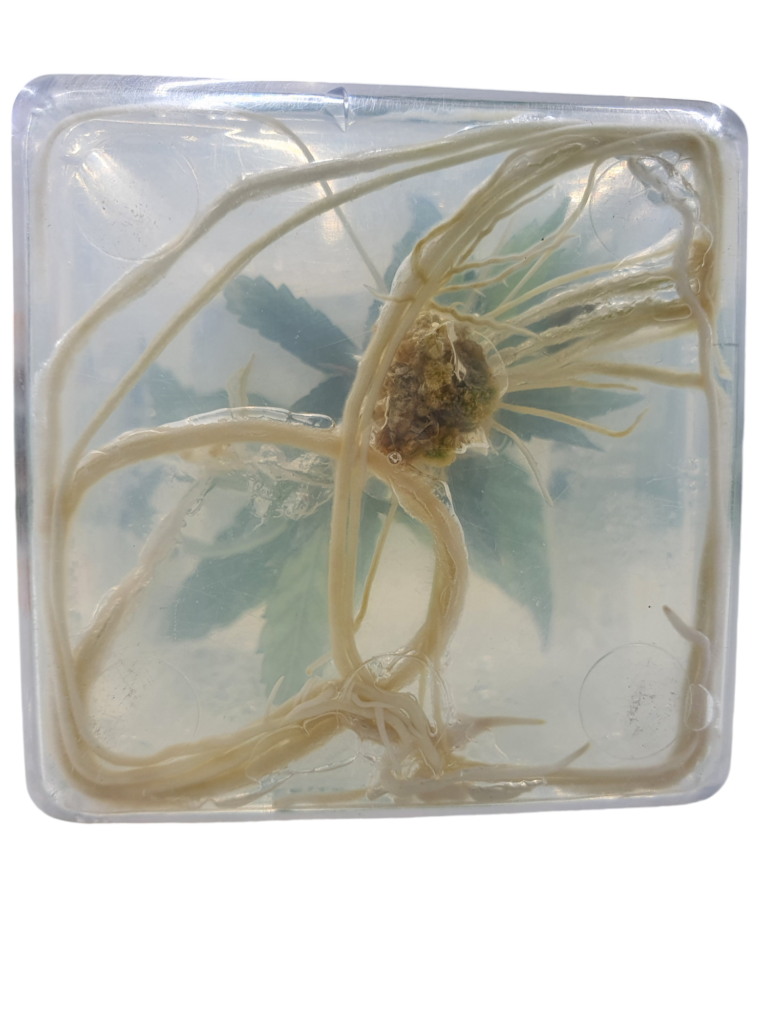

Introduction to In Vitro Cannabis Cultivation in Austria
In vitro cultivation of cannabis refers to a propagation technique that allows plants to grow under controlled conditions within a highly sterile environment. This method has gained popularity in recent years due to its ability to produce disease- and pest-free crops, resulting in higher quality and consistency in the cultivated plants. Since its introduction, in vitro cultivation has evolved significantly, incorporating technological advances that optimize the production and management of the most in-demand cannabis strains.
One of the most notable advantages of in vitro cultivation over traditional agricultural methods is the speed with which new plants can be produced. This technique allows for the development of multiple crops from a single parent plant, which is particularly valuable in the cannabis industry, where demand for specific strains is constantly growing. In addition, precise control of factors such as light, temperature, and humidity in an in vitro environment provides ideal conditions for plant development, reducing the risk of crop failure.
As cannabis legalization gains momentum in various regions around the world, in vitro cultivation is emerging as an efficient and sustainable solution to meet growing market demand. The ability to produce high-quality seeds and clones in large volumes is transforming the approach to production, allowing growers to respond quickly to consumer needs. Thus, a synergy is established between technical innovation and the expansion of the cannabis sector, charting a promising path for the future of cannabis.

In Vitro Cultivation Techniques for Marijuana Used in 2025
By 2025, in vitro cannabis cultivation has advanced significantly, incorporating specialized techniques that enable more efficient and controlled plant production. One of the most notable techniques is micropropagation, which allows for the reproduction of plants from selected plant tissues. This method not only ensures the production of genetically identical crops but also facilitates large-scale production, which is vital in a growing market. Micropropagation minimizes the risk of viral and fungal contamination, thereby improving the overall health of the plants.
Another widely adopted technique is the propagation of cuttings, which involves taking fragments from parent plants and growing them under controlled conditions. This practice was optimized in 2025, enabling the faster production of viable cuttings. The ability to adjust variables such as light, temperature, and humidity in the in vitro environment ensures that the cuttings develop strong, healthy roots, which is essential for their subsequent acclimatization to outdoor conditions.
Furthermore, the use of innovative culture media has revolutionized in vitro cultivation practices. By 2025, formulas have been developed that maximize the availability of nutrients and plant hormones, promoting more vigorous growth. These media are carefully selected based on the plants’ developmental stages, allowing for better control over growth and morphology. However, it is important to note that implementing these techniques also presents challenges, such as the need for specialized equipment and stable environmental conditions. Despite these drawbacks, the combination of these techniques continues to offer promising prospects for the in vitro cultivation of cannabis.

Equipment and Tools Required
In vitro cannabis cultivation in 2024 has been driven by significant advances in specific technologies and tools that facilitate the process. First and foremost, culture flasks are essential, as they provide a controlled environment for tissue and cell growth. These flasks are typically made of glass, although plastic ones have also gained popularity due to their low cost and light weight. Likewise, autoclaves are necessary for sterilizing equipment and culture media, thereby ensuring a contaminant-free environment. The investment in a good autoclave can vary, but it is estimated to range from $1,000 to $15,000, depending on the volume and features required.
As technology has advanced, LED lighting systems have become an indispensable tool in in vitro cultivation. These systems offer an adjustable light spectrum that optimizes plant growth, which is essential during the developmental stages in the laboratory. The cost of a suitable lighting system can range from $200 to $1,500, and the choice depends on the size of the growing space and the type of plant. Additionally, climate controllers are another key component; these devices regulate temperature, humidity, and ventilation to simulate optimal conditions for cannabis growth.
Finally, data analysis and monitoring systems have gained importance, allowing growers to track crop progress in real time. The integration of technologies such as humidity and temperature sensors, along with specialized management software, adds an additional layer of control that can improve success rates and maximize yields. Overall, advances in in vitro cultivation technology are streamlining this process, allowing growers to take a more precise and effective approach to cannabis production.
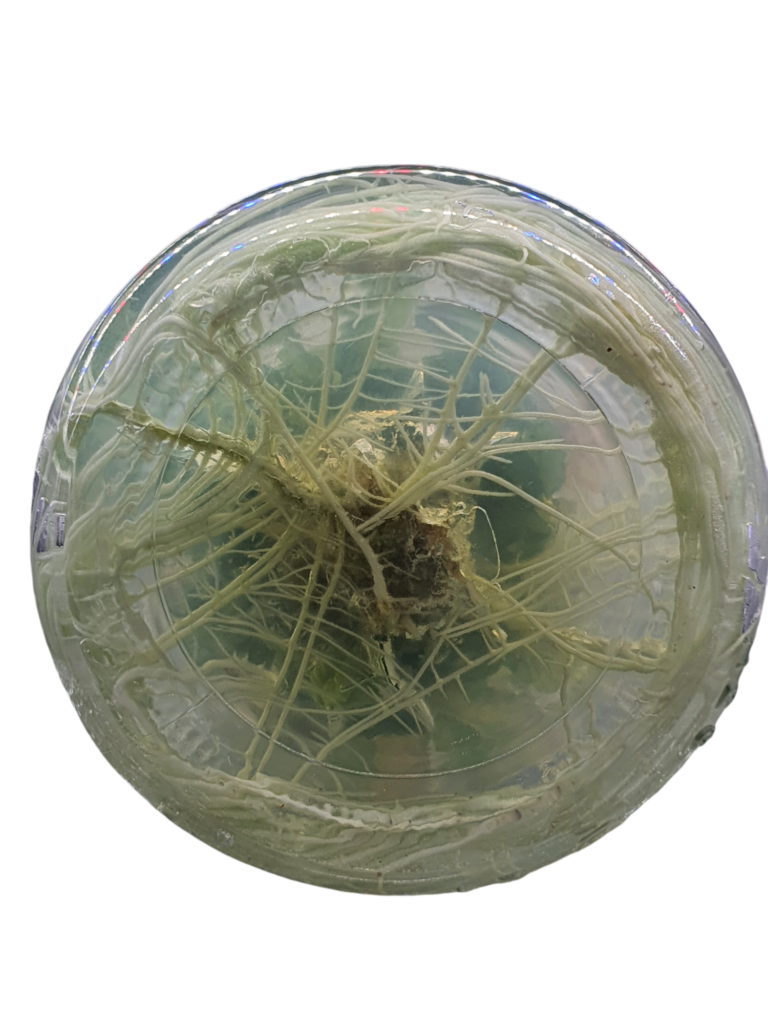
Environmental Conditions for In Vitro Cultivation in Austria
In vitro cultivation of cannabis is a delicate process that requires meticulous attention to environmental conditions. To ensure optimal growth and successful plant development, it is essential to control several key factors, such as temperature, humidity, light, and nutrient concentrations.
In terms of temperature, the ideal range for in vitro cannabis cultivation has been found to be between 24°C and 28°C. This range promotes cell growth and plant tissue proliferation. However, it is crucial to adjust the temperature according to the different stages of development, as seedlings may require slightly different conditions than adult samples.
Humidity also plays a vital role in in vitro culture. An environment with a relative humidity of around 70% to 80% is recommended, as it helps prevent tissue dehydration and promotes proper nutrient absorption. Using a controlled ventilation system can be beneficial for maintaining this humidity and preventing the growth of microorganisms that could compromise the quality of the culture.
Lighting is another critical factor. Fluorescent or LED lighting is preferable, as it provides a spectrum suitable for photosynthesis without generating excessive heat. A light cycle of 16 hours of light and 8 hours of darkness is recommended to optimize metabolic processes. Finally, nutrient concentrations must be carefully adjusted according to the growing medium, ensuring that macro- and micronutrient levels meet the specific needs of the developing plants.
Adhering to these environmental conditions helps optimize in vitro cannabis cultivation in 2024, promoting healthy growth and a higher success rate in production.

Benefits of In Vitro Cultivation for the Cannabis Industry in Austria
In vitro cannabis cultivation has emerged as a revolutionary practice with numerous benefits that are having a positive impact on the industry. One of the main benefits is improved genetic quality. This method allows for the selection and propagation of plants with desired genetic traits, ensuring consistent results in terms of cannabinoid and terpenoid profiles. As a result, producers can offer more potent and specialized cannabis products, balancing market supply and demand.
In addition, in vitro cultivation increases the efficiency of seedling production. Through techniques such as micropropagation, it is possible to produce a significant number of seedlings in small spaces and over shorter periods of time compared to traditional methods. This approach not only maximizes the use of space but also reduces the time to harvest, allowing growers to increase their yield and production potential at scale. Faster production also contributes to a better response to fluctuating market demand.
From an economic standpoint, in vitro cultivation leads to long-term cost savings. By minimizing the need for agricultural inputs and more effectively controlling growing conditions, producers can optimize their resources and reduce the impact of pests and diseases. This approach also promotes sustainability in the sector, as it encourages practices such as the reduced use of pesticides and synthetic nutrients. In summary, the benefits of in vitro cannabis cultivation are not only reflected in quality and efficiency but also strengthen the competitiveness and sustainability of the industry as a whole.

Challenges and Limitations of In Vitro Cultivation in Austria
In vitro cannabis cultivation presents several challenges and limitations that could affect its viability and success in the market. One of the main challenges is the initial investment required to set up a suitable facility. This form of cultivation requires specialized equipment and controlled conditions, which can be quite costly. In addition, laboratories must be equipped with advanced technology to ensure an optimal environment for plant growth, which can be a barrier for growers with limited resources.
Another major challenge is the technical expertise required to carry out in vitro cultivation of cannabis. Growers need a deep understanding of plant biology and tissue culture, as well as micropropagation processes, which requires specific skills that not all producers possess. A lack of training in these areas can result in inefficient plant management and, consequently, negatively impact the quality of the crop.
The risk of contamination during the in vitro cultivation process also poses a challenge. Because highly controlled culture media and conditions are used, any bacteria or fungi can jeopardize the success of the culture. Implementing rigorous sterilization and handling protocols is crucial to minimizing this risk, although this also adds an additional layer of complexity and cost to the process.
Furthermore, problems with acclimation to the outdoor environment are another significant limitation. Plants grown in vitro may experience difficulties when transferred to outdoor or greenhouse growing conditions, which can result in a high mortality rate. Strategies such as gradual acclimatization and the use of appropriate growing media can help facilitate this process. However, it is essential that growers be prepared to address these challenges to ensure the success of in vitro cannabis cultivation.

Related Regulations and Standards
In 2024, in vitro cannabis cultivation is operating within an evolving regulatory environment that reflects both the growing interest in this technique and the need to address ethical and legal issues. As different countries adopt cannabis policies, regulations related to in vitro cultivation have begun to vary, highlighting the diversity of regulatory approaches taken by each nation.
In many places, in vitro cultivation is regulated by laws designed to control the production and distribution of cannabis. In this context, legal requirements can range from specific licenses for cultivation using advanced techniques to traceability regulations that producers must follow. For example, in some U.S. states, growers are required to obtain special permits to use biotechnology in cannabis production, ensuring that ethical and safe practices are followed.
In Europe, the situation is equally complex. While some countries have liberalized their cannabis laws, others remain reluctant and enforce strict regulations. Regulations related to the research and development of new in vitro cultivation techniques are often subject to strict scrutiny, with the aim of safeguarding public health and the environment. Additionally, growers’ ability to access resources and technical support can be affected by current regulations, posing further challenges.
Furthermore, ethical implications are a significant part of the debate surrounding in vitro cultivation. Advanced techniques raise questions about genetic modification and sustainable production. The scientific community and policymakers must work together to develop a framework that ensures ethical accountability and consumer safety while promoting innovations in cannabis cultivation. Only through a collaborative approach can we ensure that in vitro cultivation becomes a beneficial component of the cannabis landscape by 2024.

Success Stories in In Vitro Cannabis Cultivation
In vitro cannabis cultivation has emerged as an innovative technique in modern agriculture, offering effective solutions to production and quality challenges in 2024. Several companies have successfully implemented this methodology, standing out for their positive results and the lessons learned that can serve as a guide for other growers in the industry.
One of the most notable examples is that of a company in the United States that used in vitro culture to produce cannabis clones. Through a rigorous selection and monitoring process, they achieved a 95% growth rate in their seedlings. The techniques used included enriched culture media and optimized environmental conditions, resulting in a more consistent product with greater resistance to pests and diseases.
Another notable example comes from a group of researchers in Europe, who carried out a project to develop cannabis strains with specific cannabinoid profiles. Their in vitro approach allowed them to produce multiple generations in a short period of time, accelerating the process of stabilizing the strains. The results not only improved yield but also enabled growers to respond quickly to market demand for strains with specific therapeutic properties.
In addition, a grower in Latin America used in vitro cultivation to overcome the climate and soil limitations of his region. By implementing this technique, he was able to establish year-round production, which significantly increased his supply capacity. This case highlights the importance of adapting cultivation techniques to local conditions, thereby demonstrating the flexibility and potential of in vitro cultivation in the context of cannabis.
These examples illustrate how in vitro cultivation not only improves efficiency in cannabis production but also enables the customization and adaptation that are crucial in the ever-changing landscape of the cannabis industry. The lessons learned from these success stories are invaluable for those seeking to innovate and thrive in the field of cannabis cultivation in 2024.

The Future of In Vitro Cannabis Cultivation in Europe
In vitro cultivation of cannabis represents an exciting frontier in agricultural science and biotechnology. With steadily growing acceptance and demand for cannabis, the need to optimize its production has become imperative. In vitro cultivation techniques enable the controlled and efficient propagation of plants, offering a solution to the traditional challenges of outdoor cultivation, such as climate change and pests.
One of the emerging trends in in vitro cultivation is the implementation of advanced technologies, such as gene editing and automation. Gene editing, using techniques such as CRISPR, promises to enhance desirable traits in cannabis plants, such as cannabinoid content and disease resistance. This ability to genetically modify plants not only improves quality but can also accelerate the cultivation process, moving it from the laboratory to commercial production more quickly and effectively.
In addition, automation in in vitro cultivation has the potential to increase efficiency through automated systems for monitoring growth conditions. These systems can regulate environmental factors such as temperature, humidity, and light, ensuring an optimal environment for seedling development. With the integration of artificial intelligence, these systems can continuously adapt to the specific needs of each plant, improving the success rate of the cultivation.
The growth projections for in vitro cannabis cultivation are encouraging, given that this technique not only promotes sustainable production but also meets the growing demand for cannabis-derived products in various forms, such as oils, edibles, and pharmaceuticals. Ongoing research continues to expand the scope of what is possible, opening up new commercial opportunities and offering a promising future for producers and consumers alike.