Sense and Effect
Effects and Sensations of Marijuana: Everything You Need to Know
Introduction to Marijuana
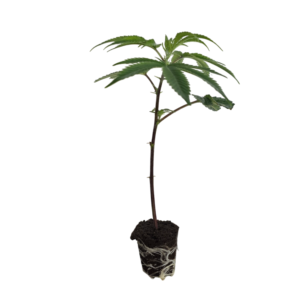
Marijuana, scientifically known as Cannabis sativa, is a plant that has been used for millennia for both recreational and medicinal purposes. Its history dates back to ancient civilizations, where it was used not only for its psychoactive properties but also in the production of textiles and paper. Over the centuries, its use has evolved, leading to renewed interest in recent decades, both in terms of scientific study and its social and legal acceptance.
The use of marijuana varies considerably across different cultures and regions of the world. In some countries, it is considered an illegal substance, while others have legalized its recreational or medical use. This shift in perception and legislation has led to an increase in the availability and use of the plant, as well as to greater debate about its effects, benefits, and associated risks.
There are various ways to consume marijuana, including smoking it in the form of cigarettes, pipes, or bongs, as well as consuming it in edibles, oils, or tinctures. Each method of consumption can produce different effects and levels of intensity. Additionally, marijuana contains compounds called cannabinoids, among which tetrahydrocannabinol (THC) and cannabidiol (CBD) are the best known. These compounds interact with the human body’s endocannabinoid system, contributing to the variety of effects users may experience.
The legality of marijuana remains a hot-button issue that varies significantly from country to country and state to state. As more places consider legalization, it is vital to understand both the positive and negative aspects associated with its use. This knowledge will enable consumers and society at large to form more informed opinions on the subject, a pressing need in today’s context.
Active Ingredients: THC and CBD
Cannabis contains numerous chemical compounds that interact with the human body’s endocannabinoid system, the best known of which are tetrahydrocannabinol (THC) and cannabidiol (CBD). Both compounds play crucial roles, but they have distinct properties and effects that influence the user’s overall experience.
THC is the primary psychoactive compound in cannabis, responsible for the feeling of euphoria and the “high” that many people associate with its use. This compound binds to cannabinoid receptors in the brain, producing effects that range from relaxation to increased appetite and altered perception of time. However, it can also cause adverse effects in some people, such as anxiety or paranoia, especially at high doses. The interaction of THC with the endocannabinoid system is complex and is influenced by factors such as dose, method of consumption, and the individual’s personal chemistry.
On the other hand, CBD is not psychoactive and has gained popularity in recent years due to its potential therapeutic effects. It has been studied for its ability to relieve pain, reduce anxiety, and alleviate the symptoms of various conditions, such as epilepsy. Unlike THC, CBD acts more as a modulator of the endocannabinoid system. This component can mitigate some of the unwanted effects of THC, which has led to the creation of cannabis products that balance both compounds, allowing consumers to experience therapeutic benefits without the intense psychoactive effect associated with THC.
In summary, while both THC and CBD are active components of cannabis, their effects and applications are significantly different. Understanding these differences not only helps users make informed decisions about their use but also opens the door to further research into their potential therapeutic benefits and their interactions with the human body’s endocannabinoid system.
Immediate Effects of Marijuana
Marijuana use produces a variety of immediate effects that can influence the user’s experience. One of the most noticeable changes involves altered sensory perception. Users often report an intensification of colors, sounds, and flavors, which can turn a simple activity like listening to music or eating into a highly pleasurable experience. This phenomenon is explained by the impact that tetrahydrocannabinol (THC), marijuana’s primary psychoactive compound, has on the central nervous system.
Furthermore, the perception of time is often affected. Many users report that time seems to pass more slowly while using marijuana, which can lead to mental relaxation and a greater focus on the present moment. This alteration in the perception of time can be both positive—allowing for a deeper appreciation of everyday experiences—and negative—causing discomfort in situations where time efficiency is crucial.
An immediate effect widely recognized among marijuana users is increased appetite, commonly referred to as “the munchies.” This phenomenon causes users to crave food, often foods considered unhealthy. This effect is caused by the interaction of THC with endocannabinoid receptors in the brain, which regulate hunger and satiety. The dosage and method of marijuana consumption can significantly influence the intensity of these sensations. For example, smoking or vaporizing marijuana typically produces faster effects, while edibles may take longer to take effect, but their effects can last longer and be more potent. These nuances are important for those seeking to use marijuana for recreational or medicinal purposes.
Long-Term Effects
Regular marijuana use can have a number of long-term effects that are important to consider, especially in the context of mental health and cognitive development. One of the main concerns is the potential impact on mental health. Studies suggest that frequent marijuana use may be associated with an increased risk of developing disorders such as anxiety and depression. This risk appears to be more pronounced in those who begin using marijuana during adolescence, a critical period for brain development.
In terms of dependence, there is evidence suggesting that regular use can lead to a form of addiction. Although many users may not experience problems related to their use, about 9% of users may develop some degree of dependence. This rate increases significantly among those who begin using during adolescence, with approximately 17% becoming dependent.
Another important aspect is the impact on memory and cognitive function. Chronic marijuana use has been linked to impairments in short-term memory and executive function, which can affect the ability to concentrate and learn new information. These effects are particularly concerning among young people, as their brains are still developing and are more susceptible to substance-induced impairments.
Long-term effects can vary across different age groups. While young adults may face significant risks related to learning and mental health, older adults may experience different types of problems that affect their overall well-being. It is essential for consumers to be aware of these risks and to consider the potential impact of regular marijuana use on their long-term health.
Positive Effects: Euphoria and Relaxation
The use of marijuana has been the subject of numerous studies and testimonials, which often highlight a range of positive sensations that many people experience after using it. Among these sensations, euphoria and relaxation are the most commonly reported. The plant’s active compounds, such as tetrahydrocannabinol (THC), interact with receptors in the brain’s endocannabinoid system, which can lead to an increased sense of well-being and happiness.
Several studies have shown that marijuana use can induce a noticeable sense of euphoria, manifesting as laughter, an elevated mood, and an altered perception of time. For example, a study published in the *Journal of Psychopharmacology* found that participants who used marijuana reported increased levels of happiness, even in situations that would not normally elicit that emotional response. This suggests that marijuana may act as an enhancer of emotional experience.
Relaxation is another sensation that many marijuana users highlight. Many users report that using this plant helps them reduce anxiety and stress, promoting a state of calm. A study from Harvard University revealed that marijuana use has a significant effect on reducing levels of cortisol, the stress hormone, allowing people to feel more at ease. This relaxing effect can be particularly beneficial in high-pressure situations, where overwhelming emotions can be paralyzing.
As more people continue to explore the use of marijuana, it is essential to consider both the desired effects and the potential associated risks. However, the feelings of euphoria and relaxation often shape many people’s perception of cannabis, making it an invaluable tool for relieving stress and improving overall mood.
Side Effects and Adverse Reactions
Marijuana use can lead to side effects and adverse reactions that are important to consider. Although many people use this plant for therapeutic or recreational purposes, it is not without negative effects. Among the most common side effects are anxiety, paranoia, and problems with motor coordination.
Anxiety can manifest as a feeling of unease or nervousness, which can be uncomfortable, especially for those who are prone to anxiety disorders. In some cases, marijuana can increase susceptibility to paranoid thoughts, leading users to question the safety of their surroundings or even distrust the intentions of others. This effect can be particularly intense in first-time users or those who consume strains with a high THC content.
In addition, marijuana use impairs coordination and reaction time. This is a significant concern for those who engage in activities that require a high level of concentration and agility, such as driving or operating heavy machinery. Impaired attention and judgment can lead to dangerous situations.
To minimize these side effects, it is advisable to start with low doses and gradually increase the amount consumed, paying close attention to how your body reacts. Choosing cannabis strains with balanced levels of THC and CBD can also be beneficial, as CBD can counteract some of the adverse effects of THC. If adverse reactions occur, it is important to find a quiet and safe environment and consider consulting a healthcare professional for proper guidance.
Cannabis in Medicine
Marijuana, scientifically known as Cannabis sativa, has attracted media and scientific attention in recent decades due to its potential medical applications. This interest has led to numerous studies investigating the effects of marijuana on a variety of health conditions. The evidence suggests that marijuana may offer significant therapeutic benefits, particularly in the management of chronic pain and anxiety disorders.
Chronic pain is one of the most common conditions for which medical marijuana is prescribed. Research has shown that the plant’s active compounds, such as tetrahydrocannabinol (THC) and cannabidiol (CBD), can interact with receptors in the body’s endocannabinoid system, resulting in a reduction in pain sensations. A study published in the Journal of Pain has indicated that patients who use marijuana to relieve chronic pain report a substantial reduction in pain intensity and an improvement in quality of life, highlighting its therapeutic potential in this area.
In addition, numerous studies have explored the effectiveness of marijuana in treating anxiety disorders, recognizing its ability to help individuals cope with stressful situations and improve their mood. Marijuana can offer significant relief from anxiety symptoms, and some researchers have found that the use of cannabinoids may be more effective than conventional treatments in certain cases. This has led many people to consider marijuana a viable alternative to traditional medication.
Despite growing evidence supporting the use of marijuana in medical settings, it is crucial for patients to consult with healthcare professionals to address their individual needs and consider potential side effects. Medical marijuana has the potential to transform the management of various health conditions, providing an alternative treatment for those seeking less conventional solutions.
Legal and Ethical Considerations
The legal status of marijuana varies considerably around the world, reflecting a diversity of approaches to its use and consumption. In many countries, marijuana remains completely illegal, and possession can result in severe penalties. However, in other regions, there has been a notable shift toward decriminalization and legalization, for both medical and recreational use. For example, in the United States, several states have adopted laws allowing for the recreational and medical use of marijuana, which contrasts significantly with others that maintain more restrictive policies. This phenomenon highlights the need for an open dialogue on the diverse cultural and social perspectives that influence marijuana legislation.
From an ethical perspective, marijuana use raises interesting questions about individual responsibility and social well-being. Many argue that, if properly regulated, marijuana could be less harmful than other substances, such as alcohol or tobacco, which are legally consumed. This comparison leads to a debate about equity in drug legislation, where a focus on rehabilitation and education is valued more highly than criminalization. However, some argue that legalization could lead to an increase in use, especially among young people, raising public health concerns.
The evolution of drug policies and their impact on society reflects a trend toward more comprehensive and nuanced legislation. This includes recognizing marijuana not only as a recreational substance, but also as a plant with potential therapeutic properties. Discussions surrounding legalization also encompass considerations of social justice, particularly in communities that have been disproportionately affected by the criminalization of drug use. Consequently, the issue of marijuana involves not only legal aspects but is also imbued with profound ethical implications that deserve serious and in-depth consideration.
Conclusions and Final Reflections
In conclusion, the use of marijuana has been a topic of debate throughout history, and its effects and sensations are varied and complex. Throughout this article, we have examined how marijuana can influence perception, emotion, and certain aspects of people’s daily lives. From its psychoactive properties that induce states of relaxation and euphoria to its ability to alleviate symptoms such as chronic pain and anxiety, marijuana plays a multifaceted role in today’s society.
It is important to note that, while many people report positive experiences, marijuana use also carries significant risks. Issues such as dependence, negative effects on memory and cognitive function, and the potential to exacerbate mental health disorders are just some of the concerns that must be considered when discussing its use. Therefore, it is essential that individuals educate themselves and carefully consider their decisions regarding the use of this substance.
Marijuana, whether used recreationally or medicinally, continues to generate both interest and controversy. As research progresses and some of its uses are demystified, it is crucial that consumers and society at large remain open to new evidence and perspectives. We invite our readers to share their experiences, reflections, and opinions on how marijuana has impacted their lives and communities, thereby fostering a constructive dialogue around this crucial issue.
Showing 1–12 of 150 results